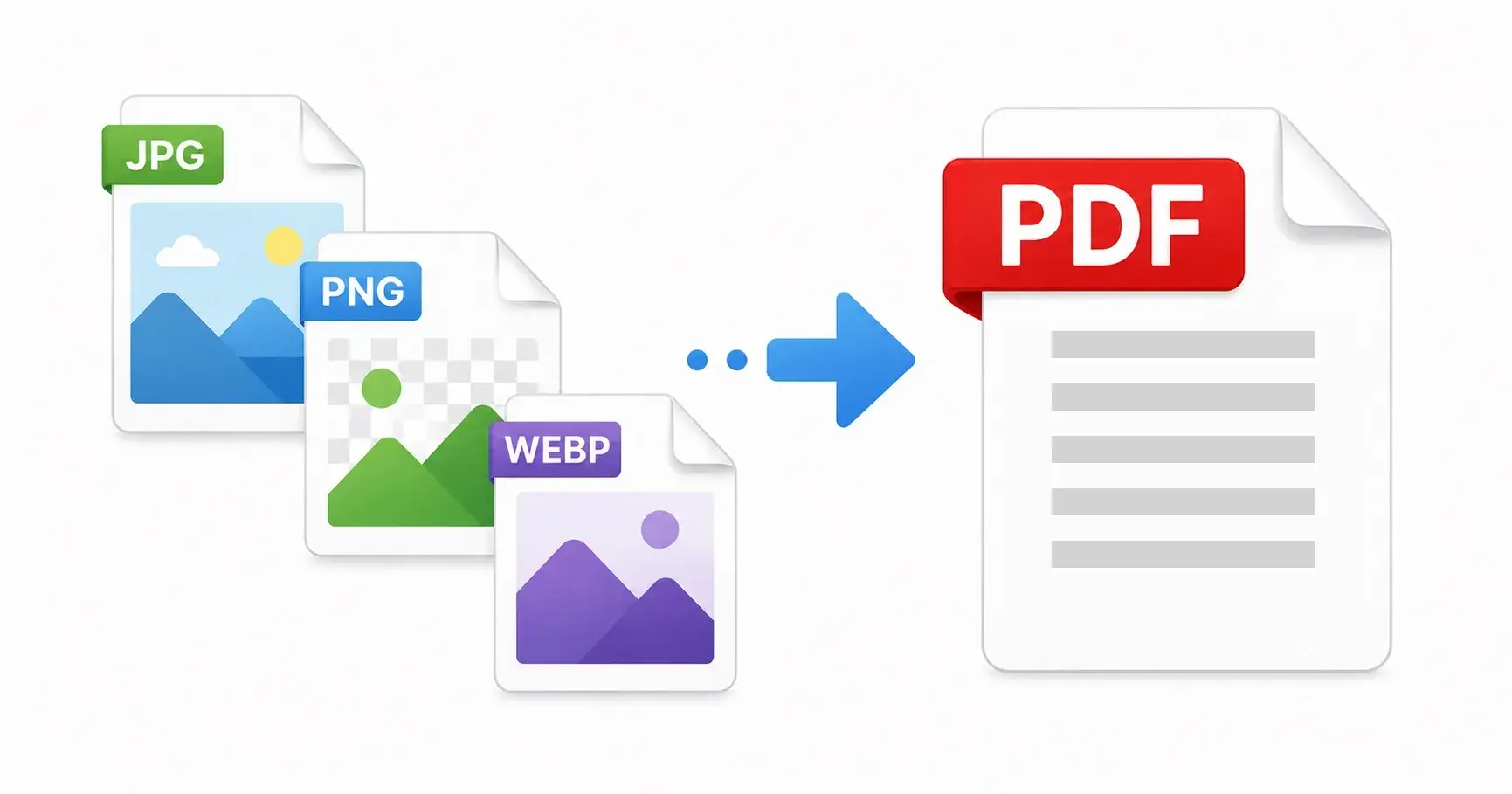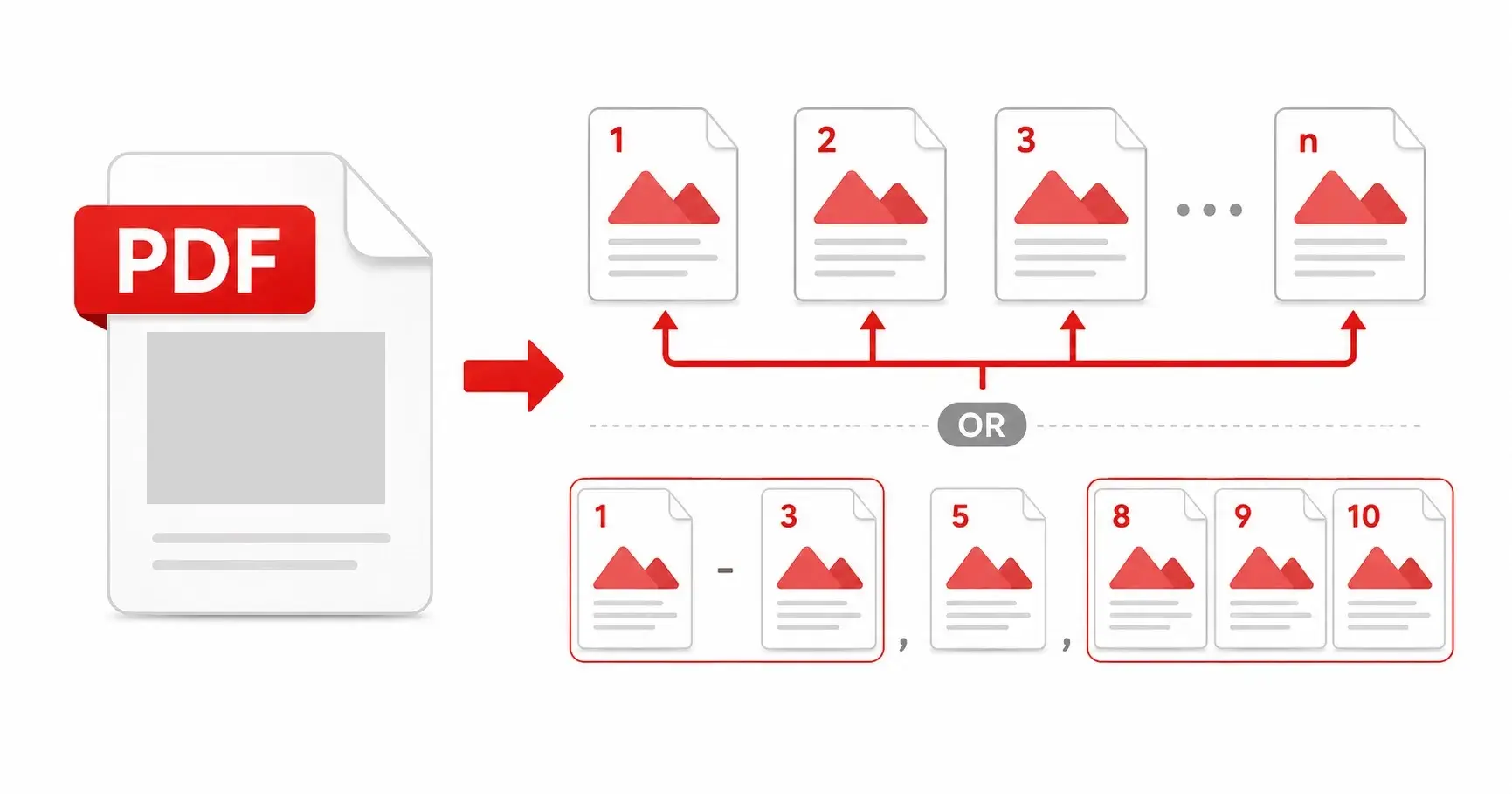
The idea that a browser tab can read, render, and repackage a PDF file without any server involvement seemed exotic a decade ago. Today it is the standard approach for privacy-first tooling. Here is how the technology stack works.
the document viewer: rendering PDFs in the browser
Mozilla's the document viewer is the open-source web library that powers browser-native PDF rendering — the same code that renders PDFs in Firefox's built-in viewer. the document viewer parses the PDF binary format, interprets the page content streams (a mini programming language for describing visual layout), and renders each page to an HTML signing area element. It handles text rendering, vector graphics, embedded images, gradients, transparency, and most of the PDF specification without any native plugin or server involvement.
The signing area as an intermediate
Once the document viewer has rendered a page to a signing area element, that signing area is a raster bitmap of the page at the specified resolution. The browser's private on-device processing provides methods to export that bitmap as a JPEG or PNG Blob. The quality setting you choose in tools like PDFStick directly controls the JPEG compression ratio applied during this image export step. Higher resolution settings work by scaling the signing area element up before rendering, producing more pixels at the cost of more memory and processing time.
the PDF builder: building new PDFs in web
While the document viewer handles reading and rendering, the PDF builder is the library used to create and modify PDF documents in the browser. the PDF builder can create new PDF documents from scratch, embed images (JPEG, PNG), set encryption and permissions using AES-256, and manipulate page metadata. PDFStick uses the PDF builder to assemble the output PDF from page images, applying the PDF container structure that makes the resulting file valid across all PDF readers.
Memory management considerations
Client-side PDF processing is memory-intensive. A single A4 page rendered at 4× resolution (288 DPI) requires roughly 40–50 MB of signing area memory. Processing a 50-page document at that resolution requires 2–2.5 GB of available device resources. Tools like PDFStick process pages sequentially to manage this, releasing each signing area from memory before rendering the next.
Building your own private PDF tool
Both the document viewer and the PDF builder are MIT-licensed and available on developer package registry. If you need to embed PDF processing into your own web application, the approach is well-documented and the libraries are production-quality. The main considerations are memory management for large files and handling of edge-case PDF features. PDFStick is itself an example of what a well-implemented browser-native PDF workflow looks like in practice.